Squint Care
Squint Care
Assessment, Orthoptic Exercises & Surgical Realignment
Squint, known medically as Strabismus, is a condition where both eyes do not align in the same direction. While one eye looks straight ahead, the other eye may turn inward (esotropia), outward (exotropia), upward (hypertropia), or downward. Squints are common in children but can also develop in adults due to muscle weakness, trauma, or neurological conditions.
At Dr. Vaidya Eye Hospital, we offer a dedicated Strabismus clinic. Squint is not just a cosmetic issue; if left untreated in children, it can lead to lazy eye (amblyopia), causing permanent vision loss in the misaligned eye. Our squint specialists design customized therapies involving special prescription glasses, occlusion patch therapy, and advanced squint muscle adjustment surgeries.
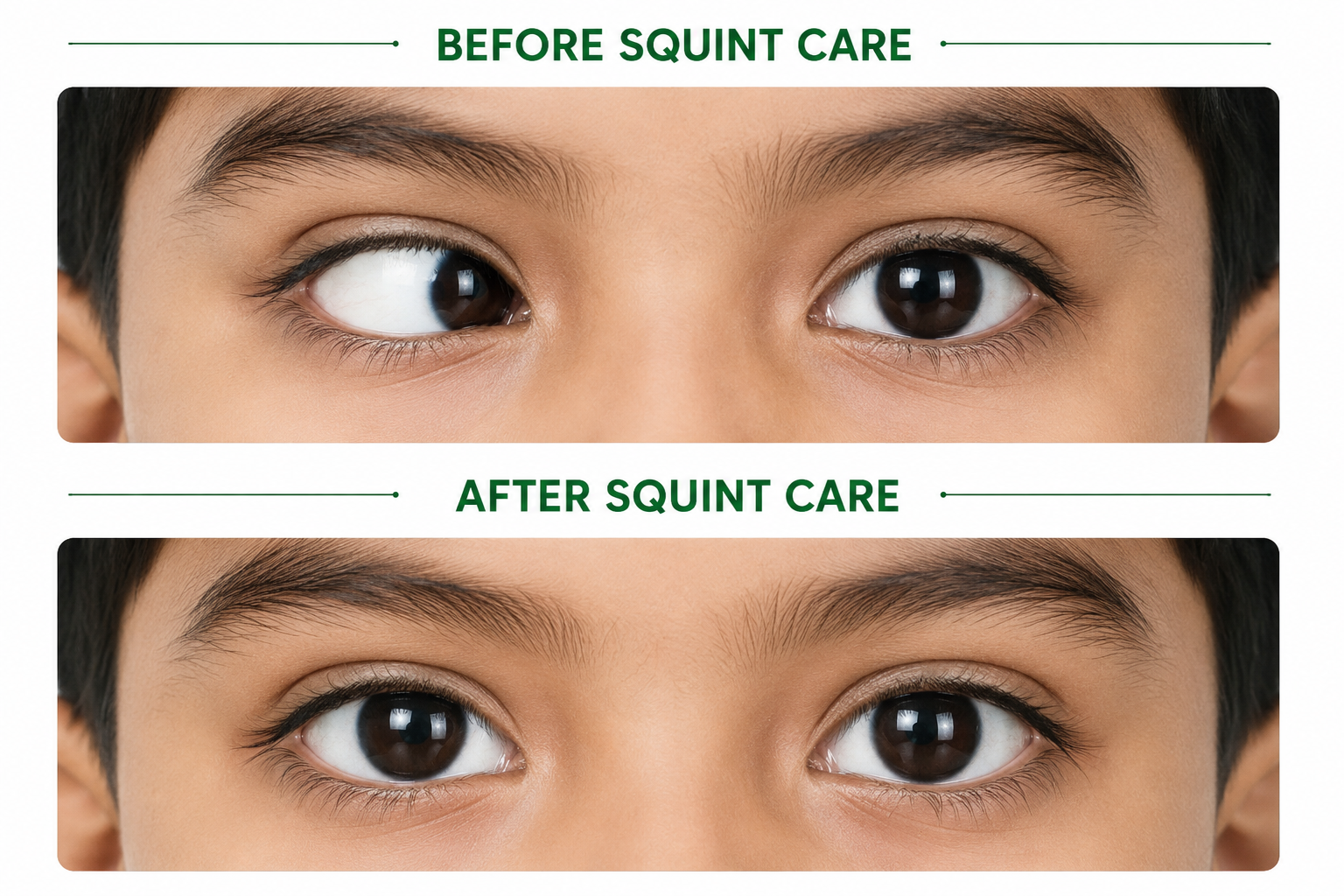
Before & After Squint Operation
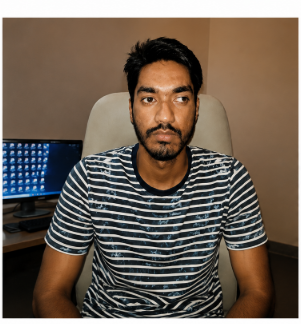
Before Squint Operation
Misaligned eyes — one eye turns in, out, up or down.
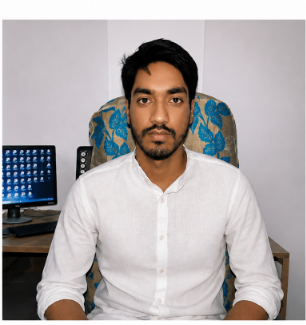
After Squint Operation
Aligned eyes working together for comfortable, straight vision.
Types of Squint
Esotropia (Convergent Squint)
The most common type of squint where one eye turns inwards towards the nose. It frequently develops in early childhood and may require corrective glasses, patching, or surgery.
Exotropia (Divergent Squint)
A type of misalignment where one eye turns outwards away from the nose. It often occurs when focusing on distant objects or during periods of fatigue or daydreaming.
Hypertropia
A vertical misalignment where the visual axis of one eye is pointing upwards relative to the other straight-looking eye. It is less common and often linked to muscle weakness.
Hypotropia
A vertical misalignment where one eye turns downwards. This can cause double vision and head tilting as the patient attempts to align their field of view.
Preoperative Assessment
It is important to accurately measure the angle of deviation preoperatively. This can be performed by using prisms to neutralise the turn. It is also necessary to know preoperatively whether there is any paralysis or restriction of function of the eye muscles, as this can affect the outcome and limit the chance of correction.
Type of Anaesthesia
General Anaesthesia
Used for children, so the procedure is completely comfortable.
Local Anaesthesia
Used for adults, numbing the area while the patient stays awake.
The Operation
Squint surgery adjusts the eye muscles to align the eyes correctly.
Resection
A portion of an eye muscle is removed and re-attached to strengthen its pull and straighten the eye.
Recession of Muscles
An eye muscle is detached and re-positioned further back to weaken its pull and balance alignment.
Post Operative Care
When fully awake, the patient is allowed to go home. Eye drops are normally prescribed, along with some medication to minimise pain and discomfort. Severe pain is rare following these operations, but the eye will be sore for about 24 hours and remain red for several days. Nausea and vomiting occasionally occur but are minimised with appropriate pre-operative medication.
Review Schedule
Day 1
First review after surgery
1 Week
Early healing check
1 Month
Final result usually known
Children
Follow-up until no amblyopia risk
Frequently Asked Questions
Restore Clarity for Your Eyes
Experience highly advanced, personalized care for Squint Care at Dr. Vaidya Eye Hospital. Book a comprehensive diagnostic exam.