Cataract Surgery
Cataract Surgery
Best Cataract Surgery in Andheri West, Mumbai – Advanced Phacoemulsification with Premium IOLs
The crystalline lens helps in focusing an image on the Retina. It is clear and transparent. But, with age, this lens can become cloudy and opaque. Any opacity in the crystalline lens leads to decreased vision. This opacity in the lens is what cataract is. Trust us for the Best Cataract Surgery in Andheri West, Mumbai to restore your vision.
It develops over a long period of time: months, or even years altogether. It usually affects both the eyes. The first characteristic to get affected is distance vision. As the lens becomes cloudier and rigid, it may deteriorate close vision as well.
While cataract is one of the most common causes of vision loss, it is only surgery that treats it. There are no medications that will clear the cataract or reverse it. Experience the best cataract surgery in Andheri West, Mumbai at Dr. Vaidya Eye Hospital. Our skilled Retina Specialist in Mumbai Dr. Harshit Vaidya provide superior care for optimal outcomes. Book your appointment now.
Treatment Highlights
-
Modern Phacoemulsification with micro-incision as small as 1.8 mm
-
Topical anesthesia – No injection, No patch, No pain
-
Premium IOL options: Monofocal, Multifocal, EDOF, Toric, ICL & Accommodative
-
Conventional ECCE/SICS technique available when clinically indicated
-
Advanced optical biometry calculations for exact IOL power matching
-
Same-day outpatient procedure with rapid visual recovery
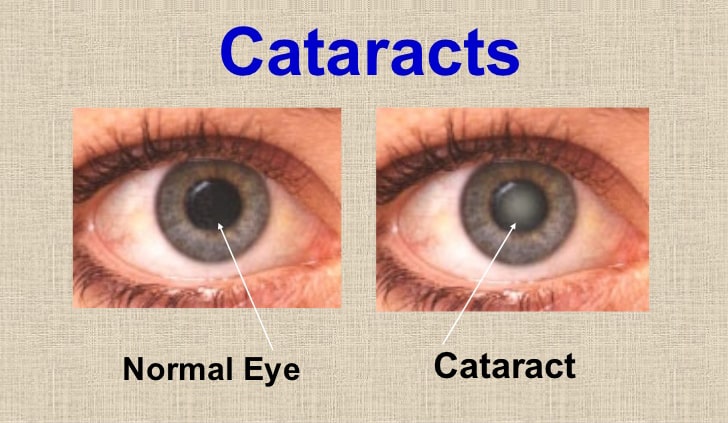
Quick Facts & Details
What Causes a Cataract?
A cataract can develop from several factors from natural ageing to lifestyle and medical conditions.
Ageing
The most common cause of cataract.
Diabetes
Uncontrolled glucose levels can cause lens swelling and cataract formation.
Higher Risk with Diabetes
Cataracts are two to five times more frequent in patients with diabetes.
Glaucoma
A known contributing condition.
Hereditary
A family history can increase the risk.
UV Radiation
Prolonged exposure to UV radiation from the sun.
Injury to the Eye
Trauma or injury to the eye.
Excessive Alcohol
Heavy alcohol consumption.
Radiation Exposure
Exposure to a heavy dose of radiation.
Smoking
A significant lifestyle risk factor.
Heavy Medication
Long-term use of steroids and similar medication.
Symptoms of Cataract
Cataract is a troublesome disease even routine activities can become problematic. Reading and driving become difficult, and complaints of seeing coloured dots or halos, dual images, and poor night vision are common.
Difficulty reading
Difficulty driving
Coloured dots or halos
Dual images
Poor night vision
How is a Cataract Detected?
Regular Eye Check-up
Especially important for people above the age of 40.
Vision Test
Measures clarity and sharpness of sight.
Slit-Lamp Examination
A detailed microscopic view of the eye.
Fundus Examination
Assesses the retina and back of the eye.
Cataract Treatment
The only treatment for cataract is surgery. As a cataract can affect daily activities like reading, drawing and watching TV, it is advisable to treat it early before vision deteriorates.
Surgical removal of a cataract is a simple, frequently performed and safe procedure. The clouded lens is removed and replaced with a clear artificial intraocular lens (IOL) a permanent solution with natural peripheral vision and depth perception.
Why It's Safe & Simple
Often done under topical anaesthesia
No injection, no patch, no pain in many cases
Local or general anaesthesia for select cases
Patients often return home the same day
Permanent clear vision with a foldable IOL
Cataract Surgery Techniques
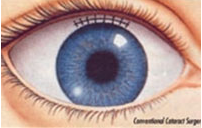
Conventional Technique
Extra Capsular Cataract Extraction / SICS
Injections are given near the eye and incisions of 10–12 mm are made, after which the lens is removed with special tools.
Incision of 10–12 mm
Stitches may be required
Higher chance of cylindrical number
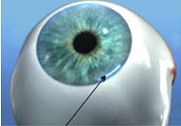
Phaco Emulsification
Modern Technique
The latest cataract removal technology. The cataract is emulsified and removed using ultrasound energy through a very small incision of about 1.8 mm broken into small pieces and suctioned out, followed by implantation of a foldable IOL.
Tiny incision of about 1.8 mm
Ultrasound energy (no large cut)
Foldable intraocular lens implanted
Typically stitch-free
Lenses Used During Surgery
Several types of intraocular lens are available your surgeon will help you choose the right one.
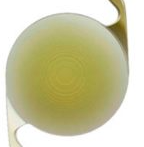
Monofocal Lens
The most basic lens implant. It provides clear distance vision but does not correct near vision, so about 70% of patients still need spectacles for tasks like computer work.
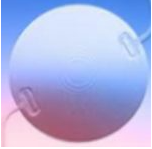
Multifocal Lens
Has more than one point of focus (e.g. a bifocal has distance and near). An alternative to bifocals that enables comfortable vision at all distances.
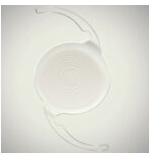
EDOF Lens
High-quality visual comfort without the halos and glare often seen with multifocal lenses. Great for clear distance, near and intermediate (laptop) vision.
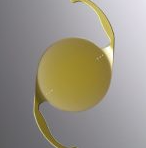
Toric Lens
Combines spherical and cylindrical surfaces to correct astigmatism, myopia or hypermetropia can be used in one eye with a spherical lens in the other.
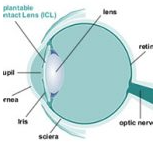
Implantable Contact Lens (ICL)
A minimally invasive Collamer-material procedure through a 3.5 mm incision. The 20–30 minute procedure lets most people resume activities within a few days.
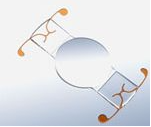
Accommodative Lens
Used for far-sightedness, near-sightedness and astigmatism. A simple exam with our refractive surgeon determines if these lenses suit your eyes.
Frequently Asked Questions
Restore Clarity for Your Eyes
Experience highly advanced, personalized care for Cataract Surgery at Dr. Vaidya Eye Hospital. Book a comprehensive diagnostic exam.