Macular Hole
Macular Hole
Vitrectomy surgery to close holes in the macula and restore central vision
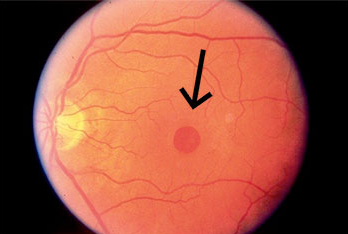
A macular hole is a small break in the macular the central part of the retina responsible for sharp, detailed vision. It typically causes blurred or distorted central vision and a dark or missing spot in the centre of sight.
Most macular holes are treated effectively with vitrectomy surgery. At Dr. Vaidya Eye Hospital, our retina specialists offer advanced macular hole surgery with excellent closure rates.
Treatment Highlights
-
High Closure Rates Modern vitrectomy closes the great majority of macular holes.
-
Small-Gauge Surgery Minimally invasive technique for faster, more comfortable recovery.
-
Gas-Assisted Healing A gas bubble gently supports the hole as it seals.
-
Structured Aftercare Clear posturing guidance and close follow-up.
Quick Facts & Details
What is the Treatment for a Macular Hole?
Treatment for a macular hole typically involves surgery, as it is the most effective option.
A newer drug-based option called ocriplasmin injection is being explored; however, it remains in clinical trials and has only shown potential in certain cases. It is not as effective as surgery, and many patients who undergo the treatment still end up needing surgery.
Your retina specialist can advise on the options available to you. Some patients may choose not to have surgery and accept reduced central vision, especially if the other eye is unaffected. There is no one-size-fits-all solution, so it is important to have an open discussion with your consultant.
Treatment Options
Vitrectomy Surgery
The most effective treatment — recommended in most cases.
Ocriplasmin Injection
A drug option still in clinical trials; effective only in select cases.
Observation
Accepting reduced central vision without surgery in some patients.
Eye drops and glasses are not effective in treating this condition.
How is Macular Hole Surgery Performed?
The majority of macular hole surgeries are performed under local anaesthesia, where the patient remains conscious. Local anaesthetic is administered around the eye to numb it and eliminate any pain. You might sense bright lights or movements in the operating room. It is important to lie flat and keep the head still during the procedure.
General anaesthesia, where the patient is asleep throughout, is rarely given. If it is necessary, you will be given specific instructions regarding diet and fluid intake before surgery.
Anaesthesia Options
Local Anaesthesia
CommonPatient stays awake; the eye is numbed. Pain-free with no sedation needed.
General Anaesthesia
RarePatient is asleep throughout. Requires diet & fluid instructions beforehand.
What is Vitrectomy Surgery?
A keyhole procedure performed in about an hour. Here is how it works, step by step.
About One Hour
The procedure typically takes around 60 minutes.
Tiny Openings
Small keyhole openings are made in the eye.
Gel Removed
The vitreous gel is removed from inside the eye.
Gas Seals Hole
A special gas bubble is placed to seal the hole.
Types of Gas Used
Different gases dissolve over different periods. Your surgeon selects the right one for your eye.
C3F8
Up to 12 weeks
SF6
Up to 4 weeks
C2F6
Up to 8 weeks
Air
Up to 2 weeks
What Happens After the Procedure?
Following the procedure, your eye may feel uncomfortable, itchy and gritty. It may also appear red or bruised, and your vision may initially be poor. This is normal and can last 7 to 14 days. Eye drops will be provided to reduce inflammation and prevent infection. Pain relief can be achieved with paracetamol as directed. Avoid rubbing your eye. The eye takes 2 to 6 weeks to heal, but vision may continue to improve for several months.
Your vision will be impaired while there is gas in your eye. As the gas disperses, you will see a wobbly line in your vision, like a spirit level clear above, blurry below. The line gradually moves downwards until only a small bubble remains, then disappears completely.
Inform eye specialists about the gas in your eye before any procedure involving nitrous oxide (such as childbirth or A&E treatment) or general anaesthesia, to avoid an adverse reaction.
Posturing
Posturing is a crucial but challenging part of recovery. If you received gas or silicone oil in your eye, posturing may be required for up to seven days. This involves lying or sitting with your face downward so the bubble floats up and presses the retina into place during healing.
7-14
days of discomfort
2-6
weeks to heal
Your surgeon will tell you if posturing is necessary for your surgery and provide a guide.
Lamellar Macular Hole
Lamellar Macular Hole
A partial-thickness defect of the macula.
Full Macular Hole
A full-thickness break through the macula.
Follow-Up Appointments
After your surgery, you will have follow-up appointments with your doctor to ensure your eye is healing properly and to address any concerns. The first appointment is typically scheduled two weeks after the operation.
When to Seek Medical Advice
Seek immediate medical attention if you experience any of the following:
Severe pain in the eye
Worsening or sudden loss of vision
Increasing redness of the eye
Restore Clarity for Your Eyes
Experience highly advanced, personalized care for Macular Hole at Dr. Vaidya Eye Hospital. Book a comprehensive diagnostic exam.